Subtotal: $0.00 Cart

Featured Artist: Darra Sargent

Artist Program: Darra Sargent

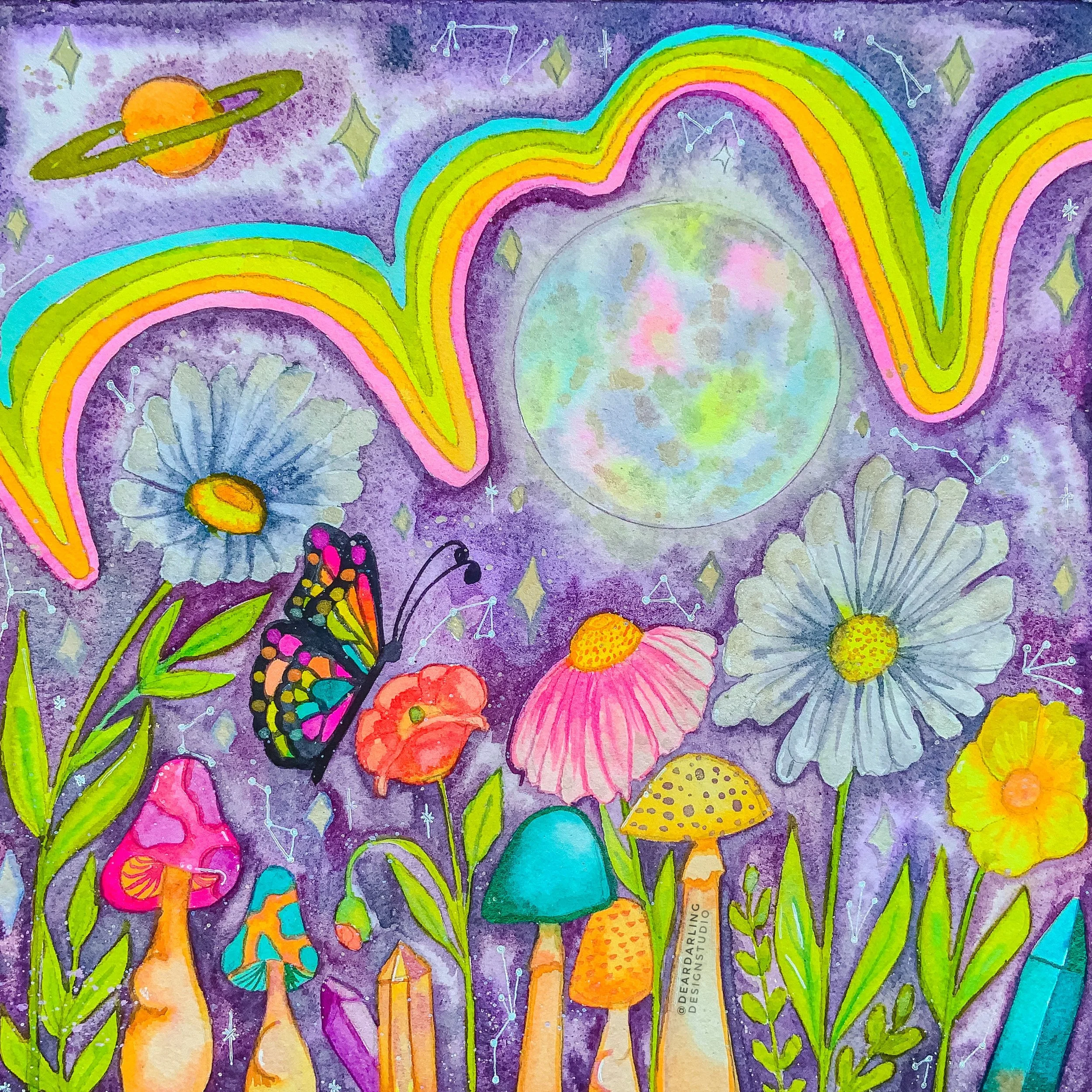
Darra was born and raised in Baltimore, a city with an incredible creative energy and a deeply rooted arts community that shaped her from an early age. Creativity was always part of her home life, too. Her dad was a musician, and her mom worked as a hairstylist. Even though their careers were different, they both approached their work with creativity, and that had a big influence on her.

Darra’s been making art for as long as she can remember. Even as a kid, she was always creating and looking for ways to express herself. Growing up in Baltimore, surrounded by both community and creativity at home, naturally inspired her to pursue art from a young age.

Walk Us Through Your Creative Process

My creative process really depends on the medium. With digital work, I’m very precise and methodical, but watercolor gives me the chance to let go of control and embrace unpredictability, which is something I’ve really grown to love creatively.

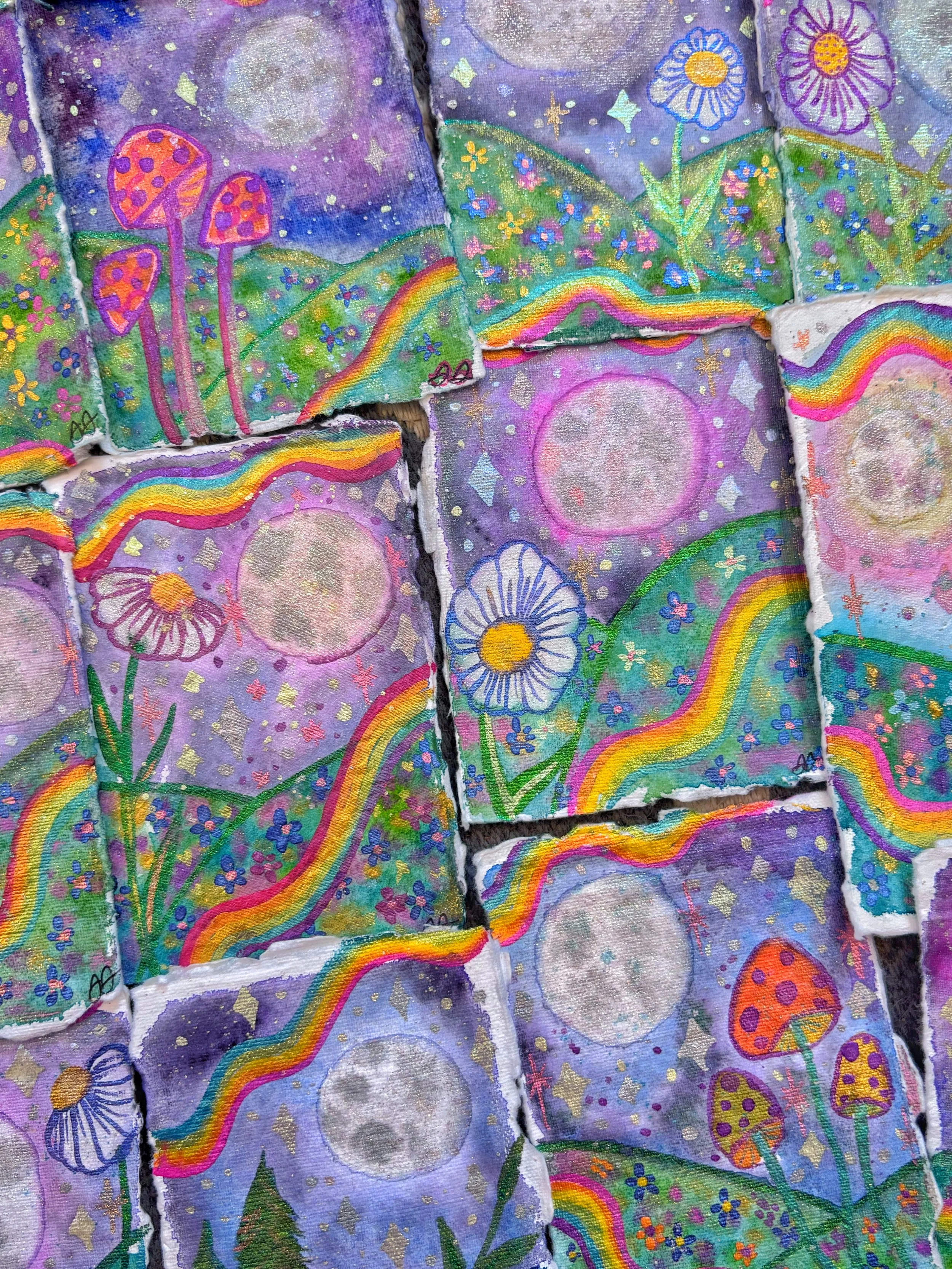
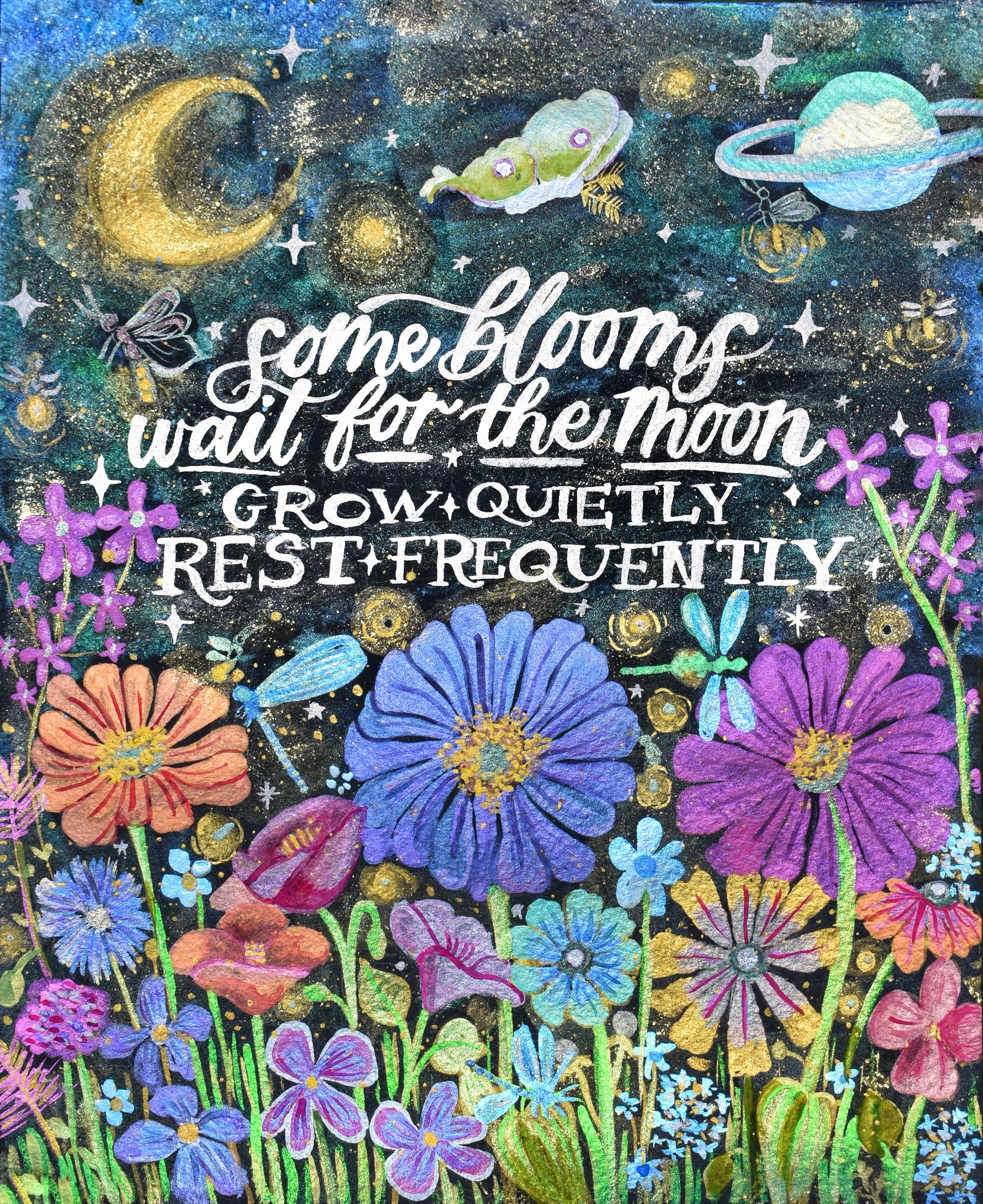
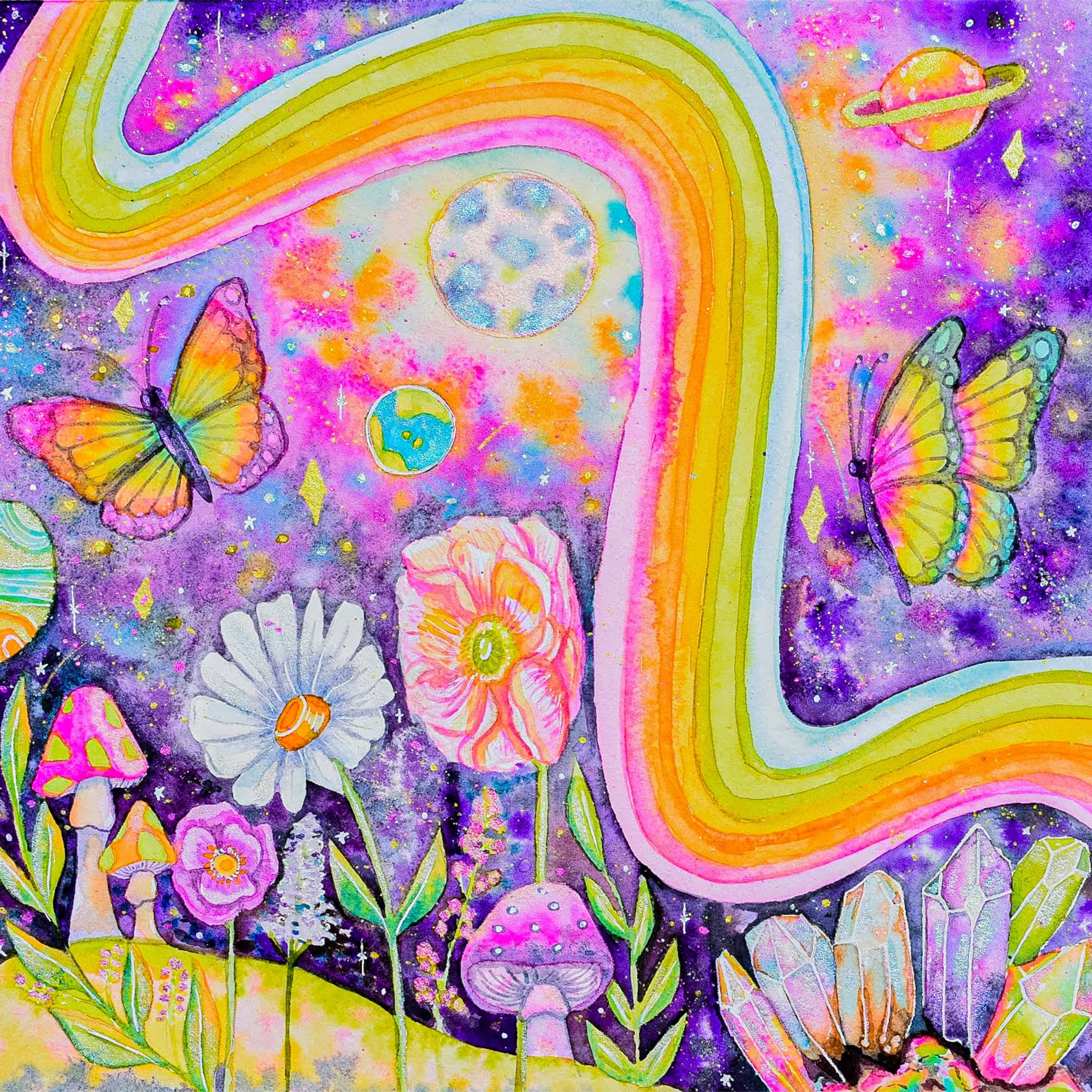
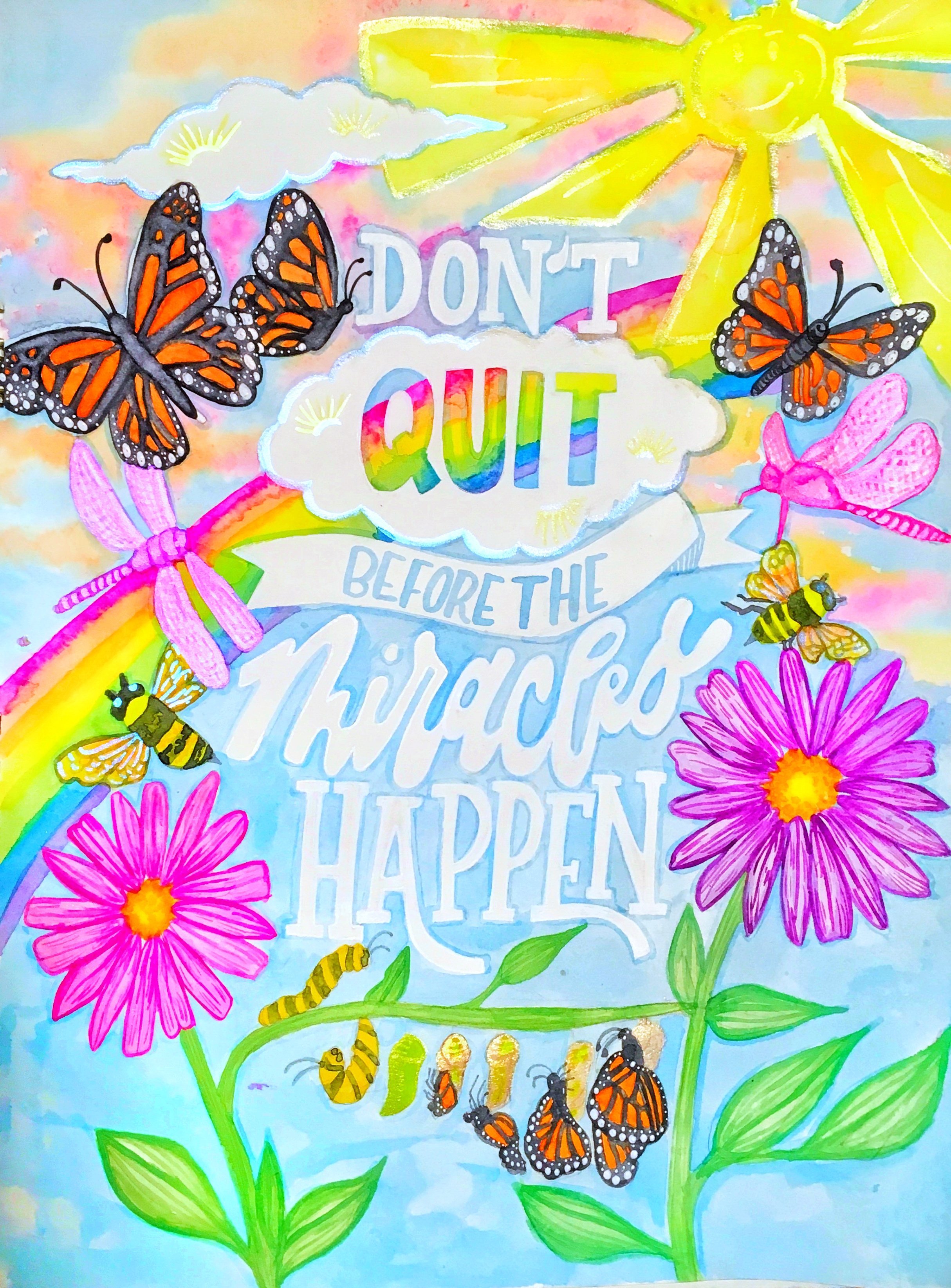
Most of my watercolor pieces begin with a wet-on-wet background using only magenta, yellow, and blue, allowing the colors to naturally mix and create unexpected tones. I’ll layer in metallic and glitter paints for added dimension and then sketch my compositions digitally on my iPad before transferring them onto paper.

I’m inspired by contrast, balancing free-flowing, organic color with detailed, intentional composition, and I love using holographic and color-shifting paints that change depending on how you view the piece.

What Matters Most to You When Selecting Paper?

Texture matters most to me when selecting paper. I’m really drawn to cold press because I love that toothy, almost sandpaper-like feel, it holds watercolor beautifully and gives the work so much more depth and vibrancy. I’ve tested the same paintings on different papers, and the difference is huge. Even with great paint, if the paper isn’t absorbing color properly, the piece can fall flat.

I especially love papers like Legion Stonehenge because they stay sturdy under a lot of water without buckling, which is important for the wet-on-wet techniques I use to create those fluid, tie-dye-like backgrounds.
How Did You Discover Legion?

I first discovered Legion through Yupo paper around 2017 after seeing artists use it for alcohol ink work online. Later, when my favorite watercolor paper brand disappeared, I started testing a bunch of different papers to find a replacement, Arches, Strathmore and Legion included.

As soon as I tried Stonehenge Cold Press, I knew it was the one. The texture, the way it absorbs color, and how well it holds up to heavy water techniques instantly stood out to me. I’ve been using it ever since.

What Do You Hope People Take Away from Your Work?

I hope people take away that it’s okay to be unapologetically feminine. My work is colorful, playful, and full of things like rainbows and bright florals, but it also speaks to serious issues and encourages people, especially women, to speak up for themselves.

I think there’s power in embracing joy, softness, and femininity without shame. For so long, we’ve been told that “girly” things are something to outgrow or be embarrassed by, but I want my work to remind people that there’s strength in that joy and authenticity. Especially in difficult times, we need every bit of color, happiness, and light we can hold onto.
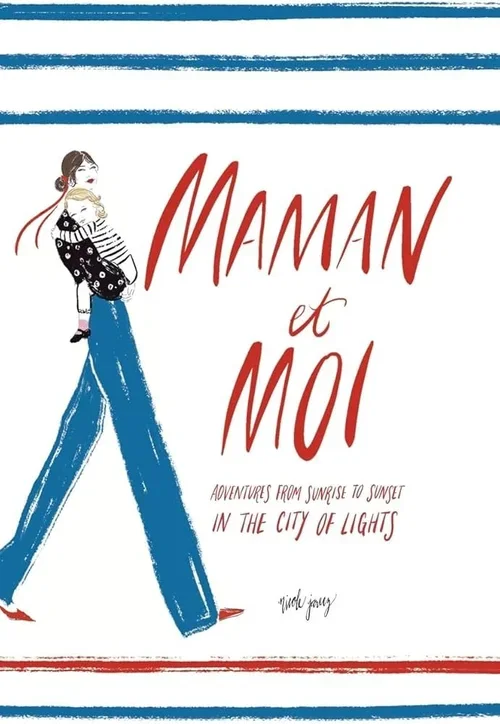
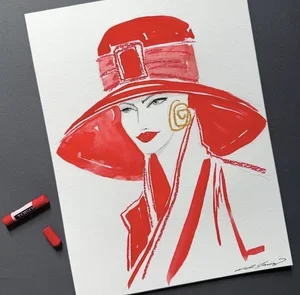
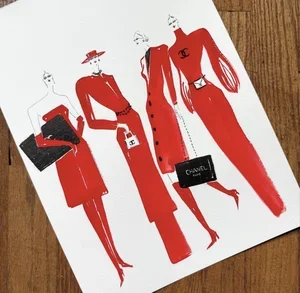
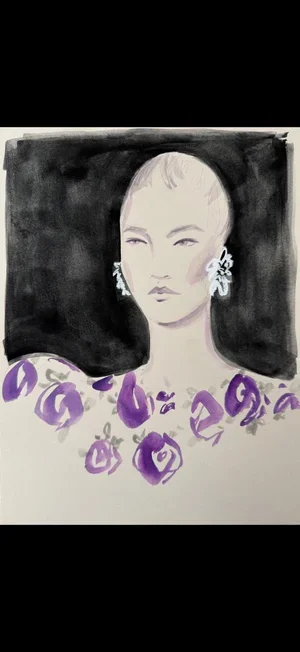
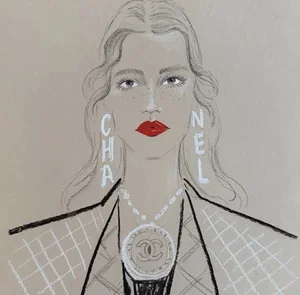
Featured Artist: Nicole Jarecz, Fashion Illustrator and Author

Artist Program: Nicole Jarecz

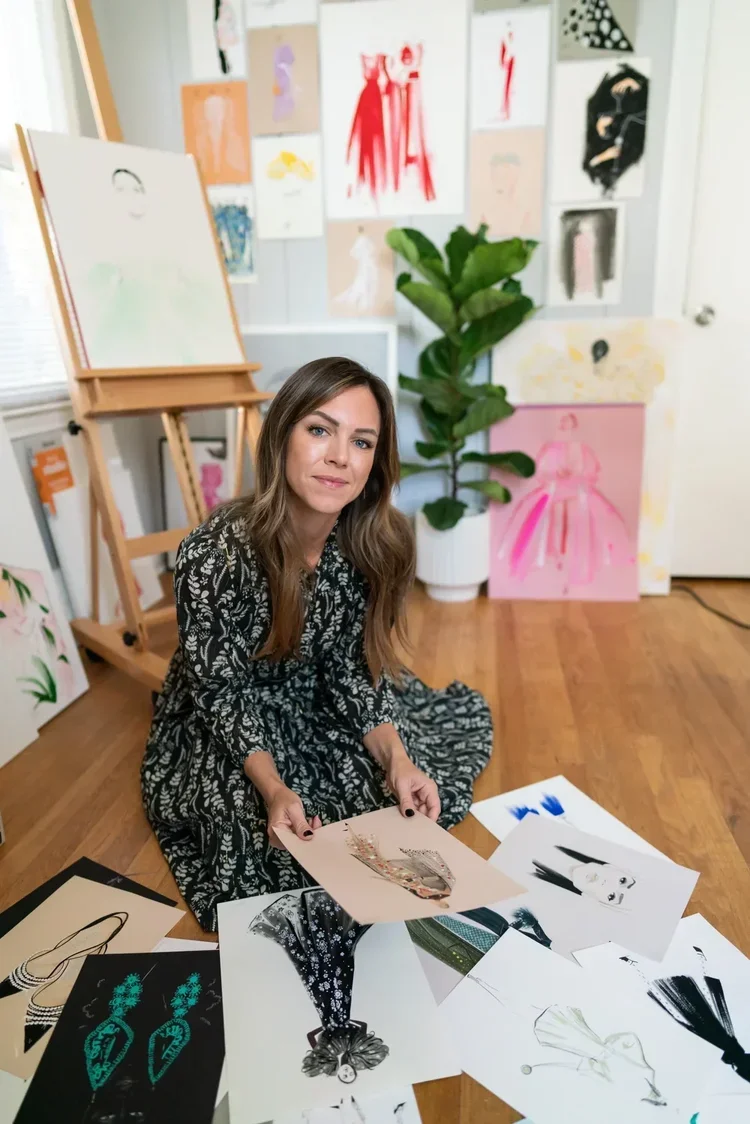
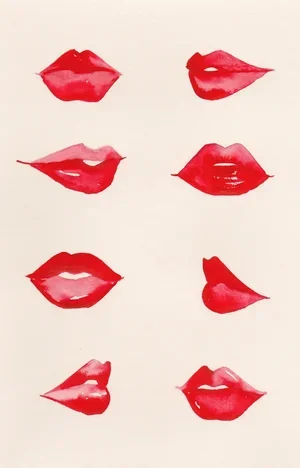
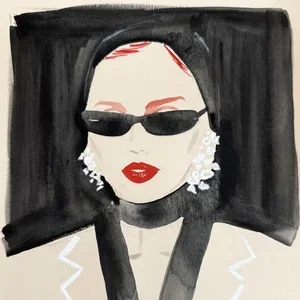
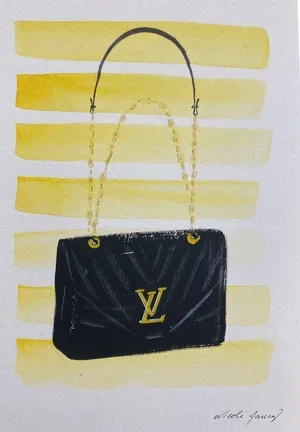
Nicole Jarecz is a fashion illustrator based in Detroit, MI. For as long as she can remember she was always attracted to drawing and creating but found that fashion illustration was her passion. 

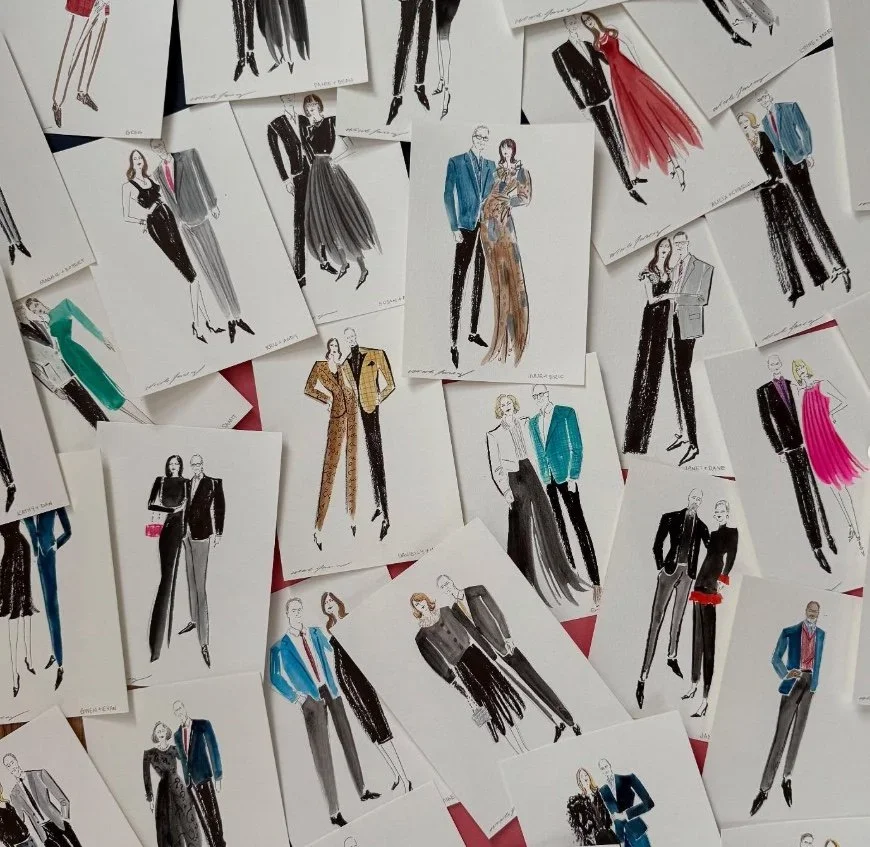
She creates feminine pieces that are made with graphite, watercolor, ink, charcoal and colored pencil.  It’s all about a feeling and an attention to detail that makes her work different than other fashion illustrations.

Walk Us Through Your Creative Process

A lot of my research is fashion-based. I pull ideas from magazines, recent runway collections, and emerging trends. I’m always observing what’s current and how style is evolving.

I love working on newsprint, so I usually begin there to sketch out my initial ideas and get a sense of the composition. Once I feel confident in the direction, I transfer the sketch onto my final paper, typically Stonehenge paper.

Much of my process is intuitive. I usually start with a feeling and just go for it. Sometimes it works, sometimes it doesn’t,  but that’s part of being a mixed media artist.

I work with a variety of materials: ink, colored pencil, watercolor, gouache, layering different mediums to create texture, depth, and movement, especially when illustrating fabrics. I’m inspired by street style, nature, and everyday moments. The sketch phase is always loose and gestural, typically done on newsprint before moving to a premium surface for the finished piece.

Where Do You Get Your Inspiration?

Much of my inspiration comes from travel. I lived in Paris for six years (2010–2016), and that experience deeply shaped my artistic voice. I still travel back frequently, and being exposed to different cultures, people, and places continues to influence my work.

I try to stay open-minded about where my art can go and what it can become. I’m inspired by the people I meet, the environments I experience, and the energy of the places I visit.

What Matters Most to You When Selecting Paper?

Color, weight, and texture are all equally important to me.

With Legion, I’ve found the best balance of all three. The color tones are incredibly rich,  I love working on toned backgrounds for my illustrations, and the Stonehenge Colors pad has beautiful neutral shades that I use often.

Weight is especially important for commissioned pieces. When a client invests in artwork, I want it to feel substantial and premium. Texture also plays a major role, papers like Stonehenge White are thick and versatile, and they handle mixed media beautifully.

Stonehenge White and the Stonehenge Colors pad all perform exceptionally well with ink, watercolor, gouache, and colored pencil. Legion papers are versatile, which is essential for me since I work across multiple mediums.

As a student at CCS College for Creative Studies in Detroit, I used premium papers occasionally, but mostly newsprint for cost reasons. Now that I’m working full-time as an artist, investing in premium paper makes a noticeable difference. My illustrations look elevated and more refined.

At sketching events, I may use more affordable paper for quick five-minute drawings, but for commissioned work, I always explain to clients that premium paper enhances the longevity and overall quality of the piece. It truly changes the final result.

How Did You Discover Legion?

I first discovered Legion through Instagram, then started purchasing the paper at Blick Art Supply. After using it, I fell in love with it. That was about eight years ago.

I began tagging Legion in my posts and building that connection organically. From there, the relationship grew naturally.

What Do You Hope People Take Away from Your Work?

I hope people fall in love with fashion illustration.

I discovered fashion illustration while studying at CCS in a history of illustration course. Once I saw it, I was immediately captivated. I even took private lessons with my professor to dive deeper into the discipline.

There’s something incredibly special about fashion illustration, the movement, the gesture, the feeling of fabric in motion. It offers something different from photography. There’s emotion and interpretation in every line.

When I host sketching events and people say they’ve never seen anything like it before, that excites me. I love introducing others to this art form and encouraging them to explore it further.

If viewers walk away wanting to learn more about fashion illustration,  then I’ve done my job.

Turning Over a New Leaf: A Conversation with Keith Gasch on the Timberluxe Journal

Legion Paper sat down with Keith Gasch, Vice President at Fey Printing, to discuss a striking promotional journal project featuring Timberluxe wood veneer paper for the cover and Colorplan for the interior. With its bold gold foil, woodgrain aesthetic, and charming pun (“My Many Tree-mendous Thoughts”), this pocket-sized piece is a celebration of paper, print, and playful design.

Journal made with Timberluxe wood veneer paper

Keith, this journal is gorgeous. Let’s start with the inspiration—what sparked the idea?

{Fey Printing} Thanks! We wanted something tactile, memorable, and pun-forward—a piece that would make people smile while showcasing premium materials. Timberluxe was the perfect match. The natural grain gives every journal a unique look, and the "tree-mendous" pun just clicked from there.

Timberluxe is certainly eye-catching. How was it to work with from a production standpoint?

{Fey Printing} Surprisingly smooth—literally and figuratively. Timberluxe has that real wood texture but it's flexible and sturdy enough to score and fold cleanly. For this cover, we used Timberluxe Cherry, and applied both gold foil stamping and letterpress printing in PMS 4975 directly onto it. The foil took beautifully, giving those woodgrain lines real dimensional pop

Wood Veneer Journal made with Timberluxe and Colorplan

And what about the inside pages?

{Fey Printing} For those, we chose Colorplan Pristine White in 91lb Text weight that we digitally printed. It’s a fantastic writing surface—substantial but not bulky, and plays well with both ballpoint and gel pens. The light grey lines we printed keep it functional while letting the cover do all the visual heavy lifting

Any technical specs you’d like to share for the print nerds out there?

{Fey Printing} Sure! The journal is 3.5" x 5.5" with 36 pages. We letterpress printed onto Colorplan Pistachio for the inner fly sheet, then saddle-stitched everything together with a clean square fold. The Timberluxe was foil-stamped in Kurz Luxor 385 gold, and we used a steel rule die for finishing. No lamination, no tricks—just letting the paper and design shine.

Foil-stamping on Timberluxe

Final thoughts?

{Fey Printing} This journal was a fun one. Timberluxe and Colorplan each bring their own character—together they tell a great story. And that’s what good paper should do, right?

Learn more about Timberluxe.

Fey Printing.

A Guide To Platinum Printing

Platinum printing is one of the most revered photographic processes, known for its unparalleled tonal range, luminous depth, and archival permanence. Unlike conventional photographs that rely on silver, platinum prints are formed by actual platinum metal, offering a depth and warmth that is unique in the world of black-and-white photography.

Best Papers for Platinum Printing

©Carl Weese

What is Platinum Printing?

Platinum printing dates back to the late 19th and early 20th centuries, when it was embraced by master photographers like Alfred Stieglitz, Edward Steichen, Paul Strand, and Irving Penn. This contact-printing process results in deep, velvety blacks and a smooth transition between tones, creating an almost three-dimensional quality in images. Because platinum metals are chemically stable, platinum prints are considered the most archival of all photographic prints, lasting as long as the paper they are printed on.

The Platinum Printing Process

Platinum printing is a hands-on, meticulous process that requires patience and precision. Here’s an overview of how it works:

Platinum Printing Process
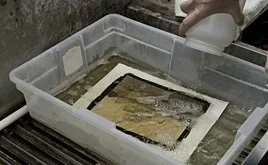
  1. Hand-Coating the Paper – Unlike modern photographic papers, which are pre-coated, platinum prints require the photographer to mix and apply a light-sensitive platinum emulsion by hand onto a high-quality paper. This step is crucial, as the paper's surface and absorbency directly impact the final image.

  2. Exposure to UV Light – Once dry, the coated paper is placed in direct contact with a negative and exposed to ultraviolet light, either from the sun or a UV lamp. This exposure causes the platinum salts to reduce to metallic platinum, forming the image.

  3. Development and Clearing – After exposure, the paper is developed, typically in a bath of potassium oxalate. Several clearing baths follow to remove any residual chemistry, leaving behind only the pure platinum image.

  4. Final Drying and Flattening – After washing, the print is air-dried and sometimes pressed to restore its original texture. Since platinum prints do not require gelatin coatings or chemical stabilizers, they remain purely embedded within the paper fibers, ensuring their longevity.

🎥 Want to see the process in action? Watch Kerik Kouklis discuss platinum printing on Revere Platinum: Watch the video

Palladium Print on Revere Platinum

10x12 Palladium Print on Revere Platinum by Kerik Kouklis

Platinum Print by Arkady Lvov

©Arkady Lvov

What Makes a Great Platinum Printing Paper?

Because platinum printing is a direct-printing process where the image is formed within the paper itself, the choice of paper is critical. The ideal platinum printing paper must have:

Smooth, but not glossy, surface – The surface should allow for even coating while preserving fine details in the image.

Strong wet strength – The paper must withstand multiple baths without warping or deteriorating. Internal and external sizing is essential to prevent excessive absorption of the emulsion.

Neutral pH with no buffering agents – Many fine art papers contain calcium carbonate or alkaline buffers to prevent acidification. However, in platinum printing, these additives can interfere with the chemistry, affecting tonal depth and print stability.

Why Revere Platinum?

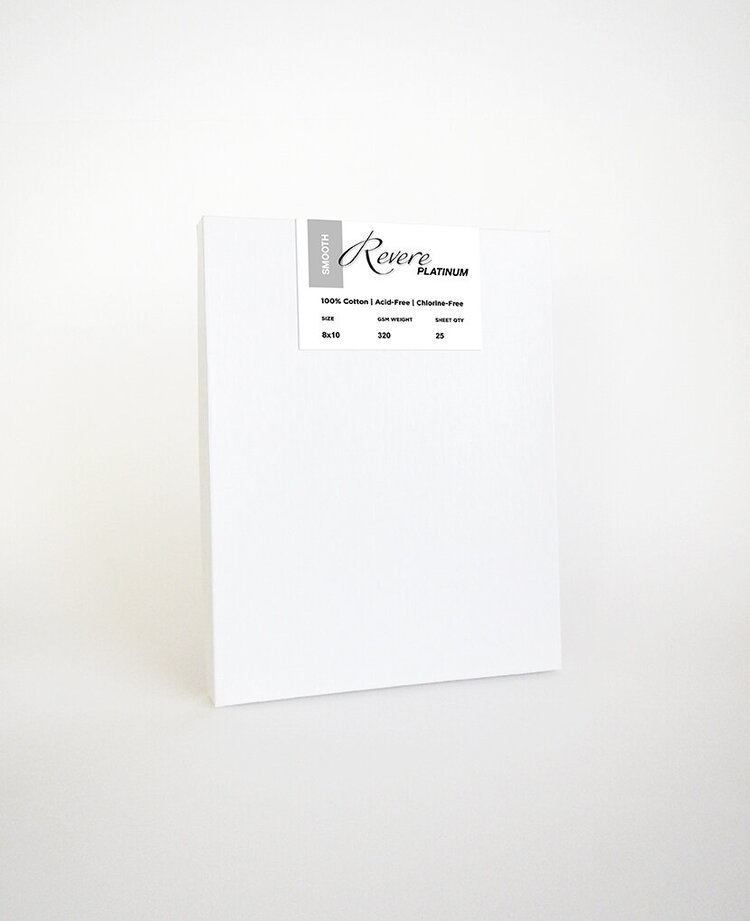
Revere Platinum is specifically crafted for platinum and alternative photographic printing. With its internally and externally sized structure and absence of buffering agents, it ensures optimal absorption and chemical interaction for deep, rich, and incredibly detailed prints. Its smooth surface beautifully retains highlights and subtle tonal variations, making it a favorite among contemporary platinum printers.

For a deeper dive into a platinum printer’s experience with Revere Platinum, read our blog post featuring Kerik Kouklis: Read more

Arches Papers

Differences & Highlights Between Arches 88, Arches Cover, Rives BFK, Arches Platine, Arches MBM Ingres and Arches En-Tout-Cas

(The variety of papers from the Arches Mill stocked at Legion)

1. Arches 88

Key Features:

  • 100% cotton, mould-made

  • Ultra-smooth, soft, and absorbent (no sizing)

  • Heavyweight (300gsm-350gsm)

  • No deckled edges

Best For:

  • Screen printing

  • Lithography

  • Silkscreen & monoprinting

What Makes It Unique?

  • No sizing, meaning exceptional ink absorption

  • Extremely smooth and soft, perfect for screen printing

  • Not ideal for wet media or drawing due to high absorption


2. Arches Cover

Key Features:

  • 100% cotton, mould-made, internally sized

  • Smooth with slight texture

  • Variety of weights (160-400gsm)

  • Acid-free, deckled edges

Best For:

  • Printmaking (intaglio, relief, lithography, silkscreen)

  • Drawing (charcoal, pastel, graphite)

  • Watercolor & gouache

What Makes It Unique?

  • More rigid & structured than Rives BFK

  • Sized for versatility, working for printmaking and some wet media


3. Rives BFK

Key Features:

  • 100% cotton, mould-made, minimal sizing

  • Soft surface, smooth but with slight tooth

  • Available in 180gsm - 300gsm

  • Acid-free, deckled edges

Best For:

  • Printmaking (intaglio, lithography, relief, monoprinting)

  • Drawing (charcoal, pastel, pencil)

  • Mixed media

What Makes It Unique?

  • Softer and more flexible than Arches Cover

  • Highly absorbent, great for rich ink saturation

  • Often preferred for delicate and detailed printmaking


4. Arches Platine

Key Features:

  • 100% cotton, mould-made, specially formulated for alternative photographic printing

  • Smooth yet slightly textured surface

  • 310gsm & 145gsm options

  • Sized with no alkaline buffer, making it perfect for platinum/palladium printing

Best For:

  • Platinum/palladium printing

  • Cyanotype, Van Dyke brown, Kallitype, alternative photography

  • Photogravure & high-end printing

What Makes It Unique?

  • Specifically made for platinum/palladium printing, not ideal for traditional painting or drawing

  • No buffering – optimized for chemical-sensitive processes


5. Arches MBM Ingres

Key Features:

  • 75% cotton, mould-made

  • Classic Ingres laid texture (fine parallel lines)

  • 85gsm - 105gsm (lightweight)

  • Available in multiple colors

Best For:

  • Pastel, charcoal, pencil, drawing

  • Calligraphy & bookbinding

  • Some light printmaking

What Makes It Unique?

  • Ingres-style laid texture holds pastel and charcoal beautifully

  • Lighter weight (95gsm) makes it more delicate than others on this list

  • Not suitable for heavy ink or wet media


6. Arches En-Tout-Cas

Key Features:

  • 50% cotton, mould-made

  • Textured, similar to watercolor paper

  • Sized for wet and dry media

  • 280gsm

Best For:

  • Sketching & mixed media

  • Watercolor, gouache, light washes

  • Pastel, charcoal, pen & ink

What Makes It Unique?

  • The most versatile paper in this list – works with both wet and dry media

  • More absorbent than MBM Ingres but lighter than Arches Cover or Rives BFK

  • Great for on-the-go sketching & mixed techniques

Final Thoughts: Which Paper Should You Choose?

  • For Fine Art PrintmakingRives BFK (soft) or Arches Cover (sturdier)

  • For Alternative PhotographyArches Platine

  • For Screen PrintingArches 88

  • For Dry Media (Pastel, Charcoal)Arches MBM Ingres

  • For Mixed Media & SketchingArches En-Tout-Cas